MedWatch Reporting for Generics: How Safety Data is Collected
 May, 19 2026
Generic drugs make up roughly 90% of all prescriptions filled in the United States. Yet, when something goes wrong with a generic medication, tracking down exactly what happened-and why-can feel like finding a needle in a haystack. This is where MedWatch comes in. As the U.S. Food and Drug Administration's (FDA) primary voluntary reporting system, MedWatch is the backbone of post-marketing surveillance. But for generics, the story isn't just about reporting; it's about the unique challenges of identifying which specific manufacturer produced the pill that caused an issue.
If you are a healthcare professional, a patient, or simply someone interested in how drug safety works, understanding the mechanics of MedWatch reporting for generics is crucial. It’s not just a form to fill out; it’s a complex data ecosystem that struggles to distinguish between brand-name and generic products, often leading to gaps in our understanding of drug safety. Let’s look at how this system actually works, where it falls short, and what is being done to fix it.
What is MedWatch and Why Does It Matter for Generics?
MedWatch, formally known as the FDA Safety Information and Adverse Event Reporting Program, was established in 1993. Its job is simple in theory: collect safety information about medical products. In practice, it handles everything from prescription medicines and biologics to medical devices and dietary supplements. For generic drugs, MedWatch serves as the critical bridge between a patient’s experience and regulatory action.
The system feeds into the FDA Adverse Event Reporting System (FAERS). As of 2023, FAERS contained over 9 million reports on adverse events and medication errors. While this sounds like a robust database, the devil is in the details. A major issue identified in recent years is the difficulty of accurately distinguishing between brand-name and generic products within these reports. When a report says "patient had a reaction to Drug X," it doesn’t always tell us if they were taking the original brand or one of the dozens of generic versions available.
This distinction matters because, while generics must demonstrate bioequivalence (meaning they deliver the same amount of active ingredient into the bloodstream as the brand name), differences in inactive ingredients or manufacturing processes can sometimes lead to different real-world outcomes. MedWatch is supposed to catch these signals, but its effectiveness hinges on how well reporters can identify the specific product involved.
The Technical Backbone: How Data is Structured
Behind the scenes, MedWatch operates using a structure that adheres to international safety reporting guidance issued by the International Conference on Harmonisation (ICH E2B). The data isn’t just dumped into a single bucket; it’s organized into seven distinct tables:
- Patient demographics
- Drug or biologic reported
- Adverse events
- Patient outcomes
- Report sources
- Drug therapy start and end dates
- Indications for use/diagnosis
For generic drugs, the "Drug or biologic reported" table is where the trouble often starts. Ideally, this section should clearly state whether the product was brand or generic, and if generic, who manufactured it. However, the lack of a sensitive and specific method to identify generics in FAERS has been a persistent problem. Researchers have even developed algorithms to try to distinguish between brand and generic products in existing reports, highlighting how messy the raw data can be.
Identifying the Culprit: The Manufacturer Gap
One of the biggest hurdles in generic drug safety reporting is knowing *which* generic caused the problem. There might be ten different companies making the same generic version of a popular antidepressant. If a patient reports a side effect, does it matter which company made their pill? Absolutely. Manufacturing variations can affect how a drug behaves in the body.
Yet, the data shows a stark reality. An analysis of 5,247 MedWatch reports involving generics from 2020 to 2024 revealed that only 32.7% included the specific generic manufacturer’s name. Compare that to brand-name reports, where 89.4% correctly identified the manufacturer. This gap creates a blind spot for regulators trying to pinpoint quality issues with specific manufacturers.
Why does this happen? Often, patients don’t know who makes their generic medication. They see the drug name on the label, but the manufacturer’s name is small or absent. Pharmacists, while more knowledgeable, face time constraints. A 2024 survey by the American Society of Health-System Pharmacists (ASHP) found that 71% of pharmacy respondents reported difficulty completing detailed reports due to time pressures.
| Metric | Brand-Name Drugs | Generic Drugs |
|---|---|---|
| Manufacturer Identification Rate | 89.4% | 32.7% |
| Inclusion of NDC Code | High | Low (28.3% in consumer reports) |
| Common Reporting Issue | Minor data entry errors | Ambiguity in product identity |
Therapeutic Inequivalence: A Key Concern
You’ve probably heard patients say, "The generic didn’t work for me like the brand did." This phenomenon is called Therapeutic Inequivalence. It refers to situations where a patient experiences reduced effectiveness or different side effects compared to the brand-name version they previously used. MedWatch has a specific category for reporting "therapeutic inequivalence/failure," acknowledging that this is a real and valid concern.
A 2022 study highlighted that patient-reported concerns regarding generic medications have increased significantly, with therapeutic inequivalence being a top complaint. For example, levothyroxine (used for thyroid conditions) is notorious for variability between manufacturers. One pharmacist reported submitting 17 MedWatch reports for generic levothyroxine over three years, noting that one instance eventually led to a label change after FDA review.
However, experts warn about bias. Dr. Sarah Thompson, a pharmacovigilance expert, noted that the voluntary nature of MedWatch creates significant underreporting bias. Patients may not realize they need to distinguish between brand and generic versions when reporting, or they may assume the issue is with the drug itself rather than the specific manufacturer. This means we are likely missing many safety signals specific to individual generic makers.
How to Report Effectively: Tips for Professionals and Patients
If you are considering filing a MedWatch report for a generic drug, the quality of your data determines its usefulness. Here is how to maximize the impact of your report:
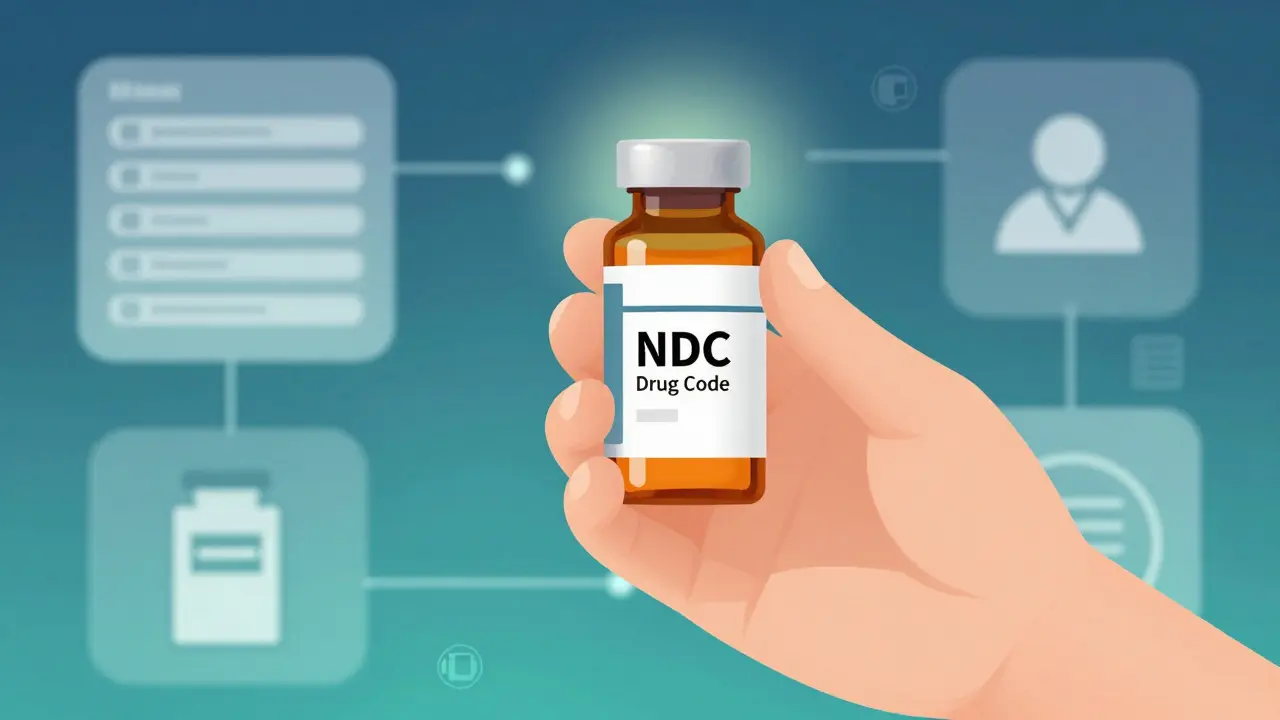
- Find the National Drug Code (NDC): This is the most critical piece of information. The NDC is a unique identifier for each drug product. It is usually printed on the bottle or box. Including the NDC allows the FDA to pinpoint the exact manufacturer and lot number. Unfortunately, this appears in only 28.3% of consumer-submitted reports.
- Specify Brand vs. Generic: Clearly state whether the product was brand-name or generic. If generic, enter the generic name first, followed by "generic" and the manufacturer name if known. The FDA instructions for Form FDA 3500 explicitly guide users on this format.
- Detail the Timeline: Include the start and end dates of the drug therapy, as well as the time to event occurrence. Did the side effect start immediately or after weeks of use?
- Describe the Outcome: What happened? Did the patient recover? Was there permanent damage? Clinical outcomes help assess severity.
- Include Medical History: Relevant labs, other medications, and pre-existing conditions provide context. Sometimes an interaction, not the drug alone, causes the issue.
For healthcare professionals, the learning curve is relatively low. The FDA reports that 85% of first-time users complete reports within 15 minutes. The challenge isn’t the form itself, but gathering the precise details about the generic product before starting.
Future Improvements: Algorithms and Integration
The FDA is aware of these limitations and is working to improve the system. In January 2024, an enhanced algorithm was integrated into FAERS processing. Developed based on research published in PMC, this algorithm achieved 92.4% sensitivity and 88.7% specificity in distinguishing generic products from brand-name counterparts in adverse event reports. This is a significant step forward, allowing regulators to retrospectively analyze data more accurately.
Looking ahead, the FDA plans to integrate MedWatch with electronic health record (EHR) systems by 2026. This digital health innovation aims to automatically capture NDC codes and manufacturer information directly from prescribing software, reducing the burden on reporters and improving data specificity. Additionally, the Generic Drug User Fee Amendments (GDUFA) III action plan includes commitments to enhance the identification and evaluation of potential safety signals for generic drugs.
Despite these advances, challenges remain. As FDA Commissioner Dr. Robert Califf stated in 2025, the voluntary nature of MedWatch means we are still likely missing significant safety signals. Industry analysts project a 22% increase in generic-specific adverse event reports by 2027 as identification methods improve, suggesting that awareness and capability are growing.
Real-World Impact: Case Studies
To understand the value of MedWatch, consider the case of bupropion XL. In 2022, multiple MedWatch reports flagged therapeutic failure with a specific generic version manufactured by Mylan. These reports triggered an FDA investigation. Within 11 months of the first reports, labeling changes were implemented. This demonstrates that when specific, high-quality data is submitted, it can lead to tangible regulatory actions that protect public health.
Conversely, vague reports often get lost in the noise. A patient complaining about "generic sertraline" without specifying the manufacturer provides little actionable intelligence. The difference between a useful report and a useless one often comes down to those few extra seconds spent checking the bottle for the NDC code.
Can I anonymously report a generic drug side effect to MedWatch?
Yes, you can submit a report without providing your personal contact information. However, the FDA strongly encourages including your name and contact details so they can follow up for additional information if needed. Anonymous reports are accepted but may be less useful if clarification is required.
What is the National Drug Code (NDC) and why is it important for generic reporting?
The NDC is a unique 10-, 11-, or 12-digit code that identifies the labeler, product, and package size. For generic drugs, it is the most reliable way to identify the specific manufacturer. Without the NDC, it is difficult for the FDA to distinguish between different generic versions of the same drug, hindering effective safety monitoring.
How long does it take for the FDA to respond to a MedWatch report?
There is no standard response time for individual MedWatch reports. The FDA receives approximately 1.2 million adverse event reports annually. Most reports are reviewed as part of aggregate data analysis rather than individually. However, serious or unexpected events may trigger faster investigations. Healthcare professionals rarely receive direct feedback unless their report contributes to a broader signal detection.
Is MedWatch the only way to report drug safety issues?
MedWatch is the primary voluntary reporting system in the U.S., but healthcare professionals and manufacturers are also required to report certain adverse events through other channels. Additionally, the European Medicines Agency (EMA) operates EudraVigilance, which has implemented more robust generic identification protocols since 2022. For U.S. residents, MedWatch remains the central hub for safety reporting.
What counts as "therapeutic inequivalence"?
Therapeutic inequivalence occurs when a generic drug fails to provide the same clinical benefit or causes different side effects compared to the brand-name reference product. This can happen due to variations in inactive ingredients, manufacturing processes, or release mechanisms, even if the active ingredient is identical. It is a valid reason for filing a MedWatch report.
Emma Olliff
May 22, 2026 AT 00:39You people are absolutely pathetic if you think generics are just as good as brands without checking the manufacturer. It’s disgusting how lazy the average consumer is. I demand perfection in my medication, and I expect everyone else to do the same. If you can’t be bothered to look up the NDC code, you deserve whatever side effects you get. Stop whining and start doing your homework. The FDA isn’t going to hold your hand forever. Get your act together or stay out of my way.
Diana Wiechecka
May 22, 2026 AT 05:18This is such an important topic! 🌟 I always check the bottle now. It’s wild how much difference the manufacturer makes. Thanks for sharing this info! 💊✨
Kathryn Byrd
May 23, 2026 AT 13:31In many European countries, the tracking systems are more robust, but even there, gaps exist. The cultural approach to medication adherence varies significantly, which impacts reporting rates. It is interesting to observe how different regulatory frameworks handle these nuances. The lack of standardization globally remains a persistent challenge for pharmacovigilance experts.
Tanya KLIMCHUK Klimchuk
May 25, 2026 AT 10:52Listen up, folks! You need to take this seriously. If you don't report correctly, you're part of the problem. I’ve seen too many bad batches slip through because nobody cared enough to fill out the form properly. Stop making excuses and start helping each other. Check the NDC code every single time. It’s not hard. Do it right or don’t bother at all. We need accurate data to protect ourselves, so get moving!
Anthony Red
May 27, 2026 AT 08:30Hey everyone, just wanted to chime in. I’ve been using generics for years and never had issues, but I guess I got lucky. This article made me realize I should probably pay more attention to who makes them. It’s kinda scary thinking about how vague most reports are. Anyway, thanks for the heads up. I’ll start looking at those codes next time I’m at the pharmacy. Hope this helps others too!
Javier Arauz
May 28, 2026 AT 08:23This is typical American incompetence. Our system is broken because we rely on voluntary reporting instead of mandatory strict oversight like other nations. The FDA is useless when they can’t even track basic manufacturer data. We need stronger regulations enforced by the government, not these weak voluntary programs. Fix the system before it collapses completely.
Kris Wong
May 29, 2026 AT 05:57Wake up sheeple! 🚨 The big pharma companies want you confused so they can keep selling overpriced drugs while hiding defects in generics. They control the data and silence the truth. Don’t trust the FDA, they’re owned by the corporations. Always buy organic supplements instead. Stay safe out there! 👁️👄👁️
Danny S
May 31, 2026 AT 03:15The evidence suggests a coordinated effort to obscure the origins of adverse events. One must question the motives behind the lack of specificity in reporting. It is highly probable that certain manufacturers are being shielded from scrutiny. The algorithmic improvements mentioned are likely insufficient to counteract systemic bias. Remain vigilant against institutional deception.
Jeremiah Cassandra
May 31, 2026 AT 14:16Ah, yes, the classic 'generic vs brand' debate. 😂 As if reading the tiny print on a pill bottle will save your life. Spoiler alert: it won’t. But sure, keep filling out forms for the joy of it. Maybe the FDA will notice you exist one day. Or maybe they’ll just add another layer of bureaucracy. Your call. 🙃
charles robert
June 1, 2026 AT 14:13The essence of therapeutic inequivalence lies in the shadow of corporate greed. 🕯️ We are mere pawns in a game played by giants. The silence of the majority speaks volumes about our collective apathy. I sit here, contemplating the void left by unreported signals. Is it fear? Ignorance? Or simply resignation? The answers haunt me. 🌑
Warren Brewer
June 1, 2026 AT 20:22I think we should all try to help each other understand this stuff. It’s not that hard if you break it down. Just look for the code on the bottle. That’s it. Simple steps make a big difference. Let’s work together to make things better for everyone.
Mark Ronson
June 2, 2026 AT 15:27Its really important to note that the NDC code is key. Many people miss this step. I have seen many errors in reports due to missing this detail. Please ensure you include it. It helps the FDA alot. Also, try to be clear about brand vs generic. This will improve the overall quality of data collected. Thank you for your attention to this matter.
Mikey Mann
June 3, 2026 AT 21:05We must consider the philosophical implications of relying on voluntary systems. Trust is a fragile commodity in modern society. Yet, optimism prevails when we see progress like the new algorithms. Perhaps there is hope after all. Let us remain open to change while questioning the status quo. The journey toward transparency is long but necessary.
Mollie Louise
June 5, 2026 AT 14:58I am so excited to share this information with my friends and family! 🎉 It is crucial that we all take an active role in our health. By understanding the nuances of MedWatch reporting, we empower ourselves and our communities. Let’s spread the word and encourage everyone to be diligent in their reporting practices. Together, we can create a safer future for all! 💖🌈