Supply Chain Security: How Legitimate Drugs Are Protected From Counterfeits
 Jul, 23 2026
Imagine picking up your prescription at the pharmacy, confident it will help you heal. Now imagine that bottle contains chalk or sugar instead of medicine. It sounds like a scene from a movie, but for years, this was a real risk in the global drug market. The good news? The system has changed dramatically. Today, legitimate drugs are protected by a massive, high-tech shield known as pharmaceutical supply chain security, which uses digital tracking to ensure every pill reaches the right patient.
This isn't just about barcodes on boxes anymore. It’s a complex web of laws, technology, and strict verification steps designed to stop fake drugs before they ever touch your hands. If you’ve ever wondered how we know the medication in your cabinet is real, the answer lies in a process called serialization and traceability.
The Backbone of Protection: DSCSA and Serialization
In the United States, the main rulebook for this protection is the Drug Supply Chain Security Act (DSCSA). Signed into law in 2013, this act created a timeline for securing the entire drug supply chain. Think of it as a passport system for pills. Every single package of prescription drugs now needs a unique identity.
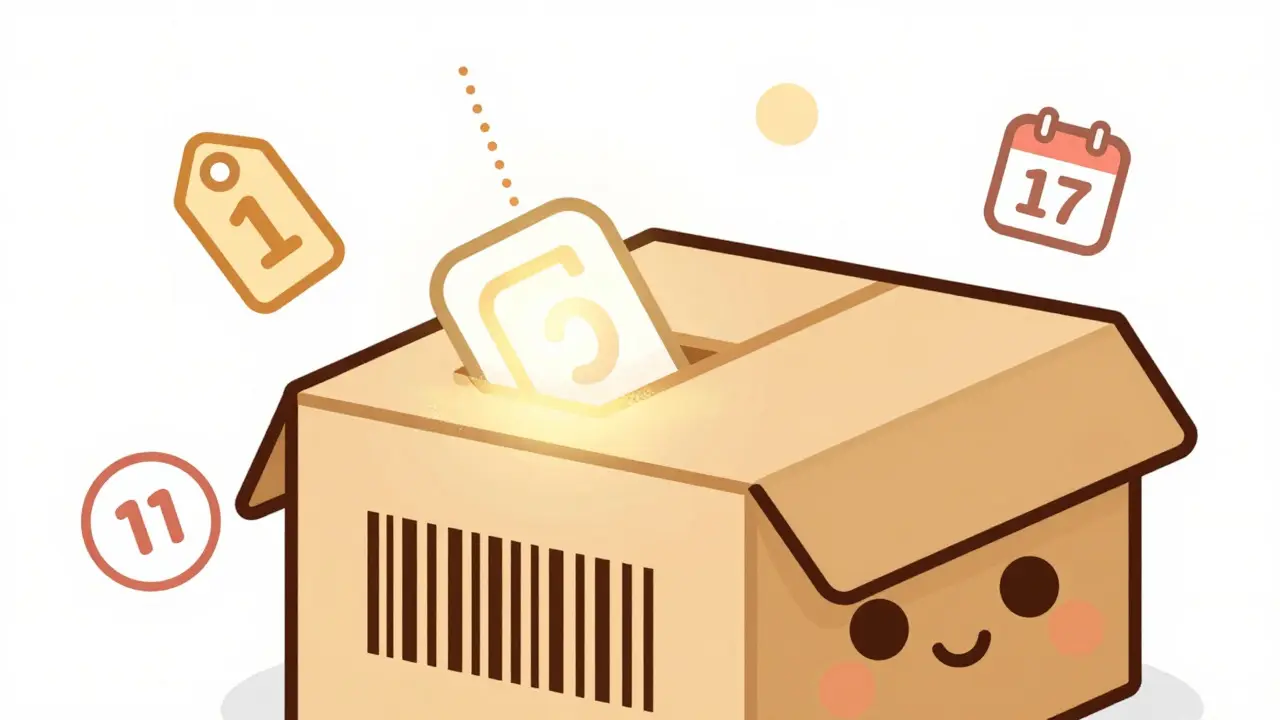
This identity is called a Unique Product Identifier (UPI). You’ll find it hidden inside a small, square 2D barcode printed on the box. This barcode contains four critical pieces of information:
- National Drug Code (NDC): Identifies the specific drug product.
- Serial Number: A unique code for that specific box-no two boxes have the same one.
- Lot Number: Tracks the batch the drug came from.
- Expiration Date: Ensures the drug hasn’t gone bad.
Every day, manufacturers generate millions of these unique identifiers. In fact, the U.S. supply chain creates about 1.2 million new UPIs daily. This level of detail means that if a problem arises, regulators can pinpoint exactly which batches are affected, rather than recalling an entire year’s production of a drug.
How Data Moves: The Role of EPCIS
Having a unique ID is useless if no one checks it. That’s where data interoperability comes in. When a drug moves from the manufacturer to a wholesaler, and then to a pharmacy, ownership changes hands. Each time this happens, the parties involved must exchange electronic records.
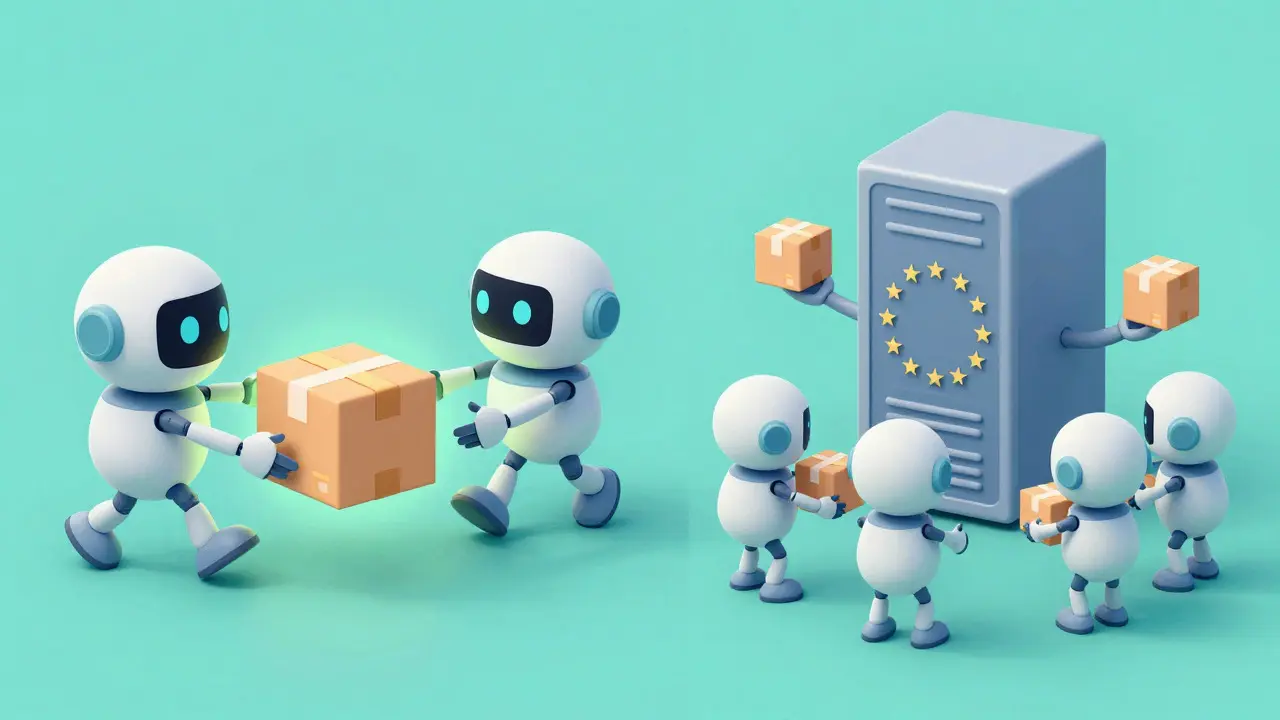
They use a standard format called Electronic Product Code Information Services (EPCIS). This is a GS1-standardized system that acts as a universal language for supply chains. Instead of sending paper invoices or mismatched spreadsheets, companies send structured digital data. As of late 2023, all trading partners were required to exchange this data electronically. By November 2027, the system must be fully interoperable, meaning any company’s software should be able to talk to any other company’s software seamlessly.
This digital handshake allows for rapid verification. If a pharmacist scans a suspicious box, the system can instantly check the serial number against the manufacturer’s database. If the numbers don’t match, or if the box has already been scanned as sold elsewhere, the system flags it immediately.
Verifying Authenticity: What Happens When Something Looks Wrong?
Technology is great, but humans still play a crucial role. The DSCSA requires trading partners to investigate suspect products within 24 hours. Here is what that looks like in practice:
- Identification: A distributor notices a box with damaged packaging or unclear labeling.
- Quarantine: The product is moved to a secure area so it doesn’t accidentally get shipped out.
- Investigation: The company contacts the previous owner and verifies the serial number. They may also perform forensic testing to confirm the chemical makeup of the drug.
- Resolution: If the drug is confirmed fake, it is destroyed securely. If it’s legitimate, it re-enters the supply chain.
This process stops thousands of suspect incidents annually from reaching patients. Additionally, the system relies on Authorized Trading Partners (ATPs). Before buying from a supplier, a pharmacy or hospital must verify that the seller is authorized to handle those specific drugs. The FDA provides a router service to help verify these partners, processing tens of thousands of requests daily.
U.S. vs. Europe: Different Approaches to the Same Problem
While the U.S. focuses on decentralized electronic data exchange, Europe takes a different path. The European Union’s Falsified Medicines Directive (FMD) uses a centralized repository model. In the EU, every drug scan is recorded in a central database managed by national organizations. When a pharmacist dispenses a drug in Europe, they must “decommission” the code, effectively removing it from the active supply chain database.
| Feature | U.S. (DSCSA) | EU (FMD) |
|---|---|---|
| Data Model | Decentralized (Company-to-Company) | Centralized Repository |
| Final Step | Verification upon receipt | Decommissioning at dispensing |
| Serial Number Format | Alphanumeric (up to 20 chars) | Numeric (20 digits) |
| Primary Goal | Traceability & Interoperability | Falsification Prevention |
This difference matters for global companies. A pharmaceutical firm selling in both regions must maintain two separate tracking systems, which increases costs and complexity. However, both systems share the same goal: eliminating counterfeits.
The Human Cost and Operational Challenges
Despite the high-tech solutions, implementing these systems is not easy. For large manufacturers, the cost is manageable. But for independent pharmacies, the burden is heavy. Many small pharmacies report spending thousands of dollars annually on software subscriptions and hardware upgrades just to stay compliant.
There are also technical glitches. Barcode readability remains an issue, with some packages failing scans due to printing errors or damage during shipping. Furthermore, cybersecurity is a major concern. In 2023, a cyberattack on a major healthcare claims processor disrupted verification processes for days, highlighting how vulnerable the digital infrastructure can be.
Yet, the benefits outweigh the challenges. Experts note that since the implementation of these stricter rules, counterfeit drug seizures have dropped significantly. The ability to trace a drug back to its source in hours rather than weeks has saved countless lives, particularly during urgent situations like vaccine distribution.
What Comes Next? AI and Blockchain
The supply chain isn’t standing still. As we move toward the 2027 interoperability deadline, new technologies are emerging. Some companies are experimenting with blockchain to create an immutable ledger of drug movements. Others are using artificial intelligence to detect anomalies in transaction patterns that might indicate diversion or fraud.
For patients, this means even greater safety. The system is evolving from reactive tracking-finding fakes after they appear-to predictive analytics, stopping them before they enter the pipeline. While the backend is complex, the result is simple: when you take your next dose, you can trust that it is real.
How can I tell if my prescription drug is genuine?
You don’t need to do much yourself. The responsibility lies with the supply chain. However, you can check for the 2D Data Matrix barcode on the box. If the packaging looks tampered with, damaged, or if the text is blurry, ask your pharmacist to verify it. Pharmacists now have scanners that can instantly check the drug's unique identifier against the manufacturer's database.
What is the DSCSA and why does it matter to me?
The Drug Supply Chain Security Act (DSCSA) is a U.S. law that requires every prescription drug package to be tracked electronically from manufacturer to patient. It matters to you because it drastically reduces the risk of receiving counterfeit, contaminated, or stolen medications. It ensures that the drug you buy is safe and effective.
Why are there different tracking systems in the US and Europe?
The U.S. uses a decentralized model where companies share data directly with each other (DSCSA), while Europe uses a centralized database where every scan is recorded in a national system (FMD). Both aim to stop counterfeits, but they approach data storage and verification differently. This creates extra work for global drug companies but offers robust protection in both regions.
What happens if a pharmacy finds a suspect drug?
If a pharmacy identifies a suspect product, they must quarantine it immediately to prevent it from being sold. They then have 24 hours to investigate, which involves verifying the serial number and contacting the supplier. If the drug is confirmed illegitimate, it is destroyed securely, and the FDA is notified.
Is the drug supply chain completely immune to cyberattacks?
No system is perfectly immune. Cyberattacks can disrupt the electronic verification process, as seen in recent incidents affecting healthcare processors. However, regulations require companies to have cybersecurity protocols in place, such as HITRUST standards, to protect data integrity. Redundant systems are also being developed to ensure continuity during outages.